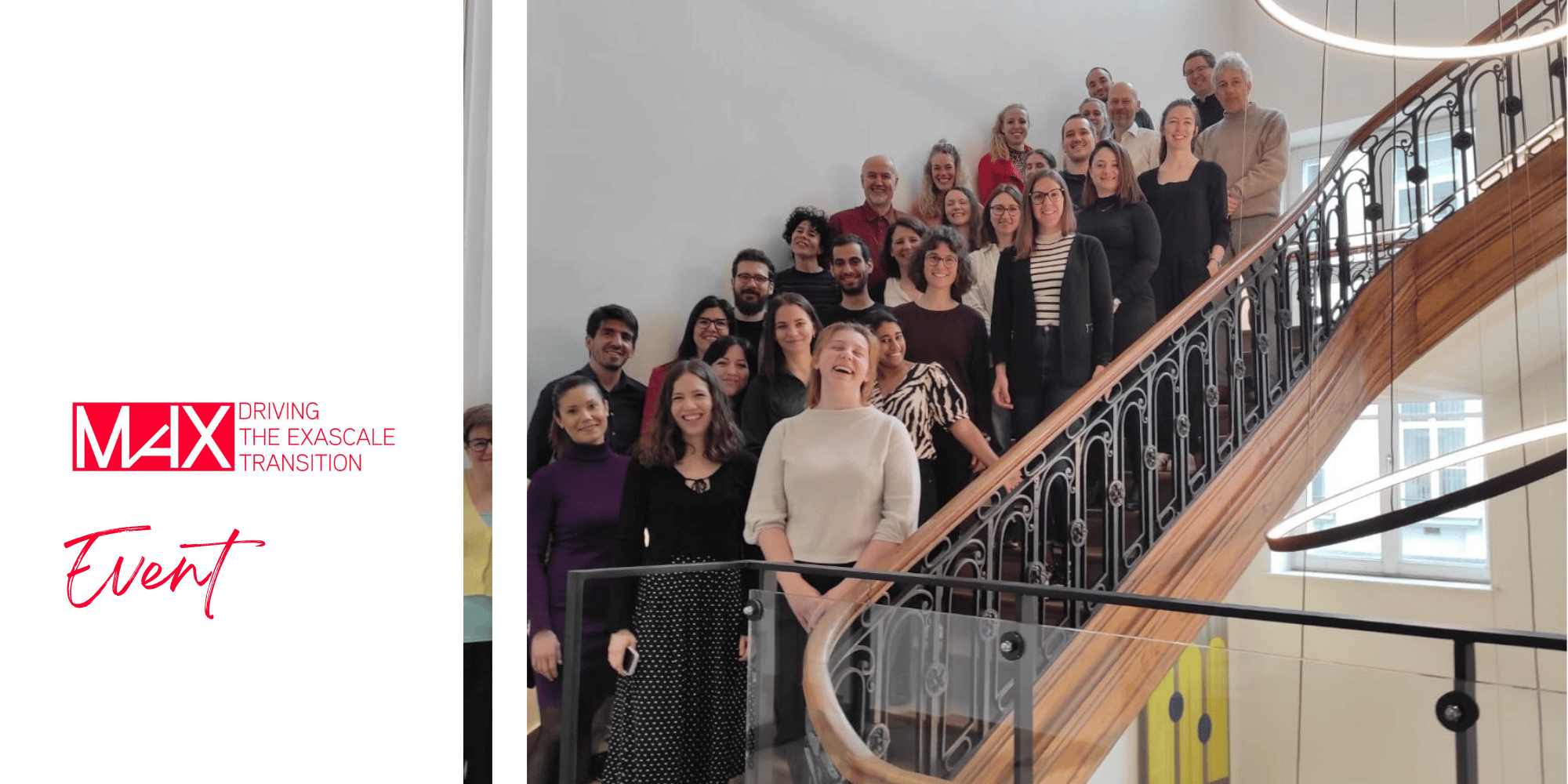
CASTIEL2 “Communication workshop” in Brussels
On Friday, 22 March 2024, CASTIEL2 hosted a “Communication workshop” featuring Champions from various European locations. The event took place at the prestigious HOEK 38
On Friday, 22 March 2024, CASTIEL2 hosted a “Communication workshop” featuring Champions from various European locations. The event took place at the prestigious HOEK 38
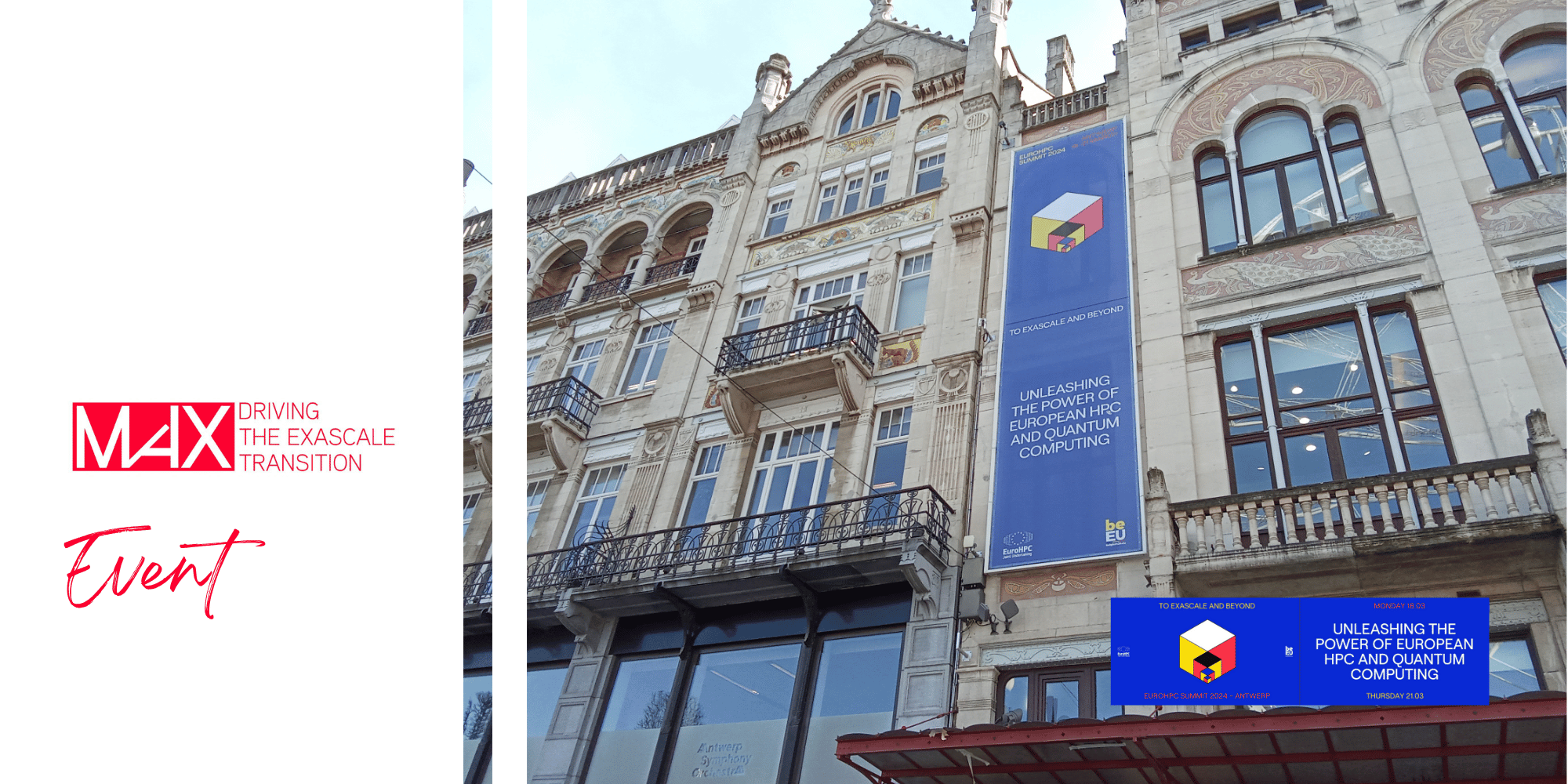
Together with fellow Centers of Excellence (CoEs), MaX participated in the EuroHPC Summit week 2024. Held in Antwerp, Belgium, the prestigious EuroHPC Summit convened key
February 11 marked the “International Day of Women and Girls in Science”. MaX celebrated this day by launching “Women in the eXascale era”, a social
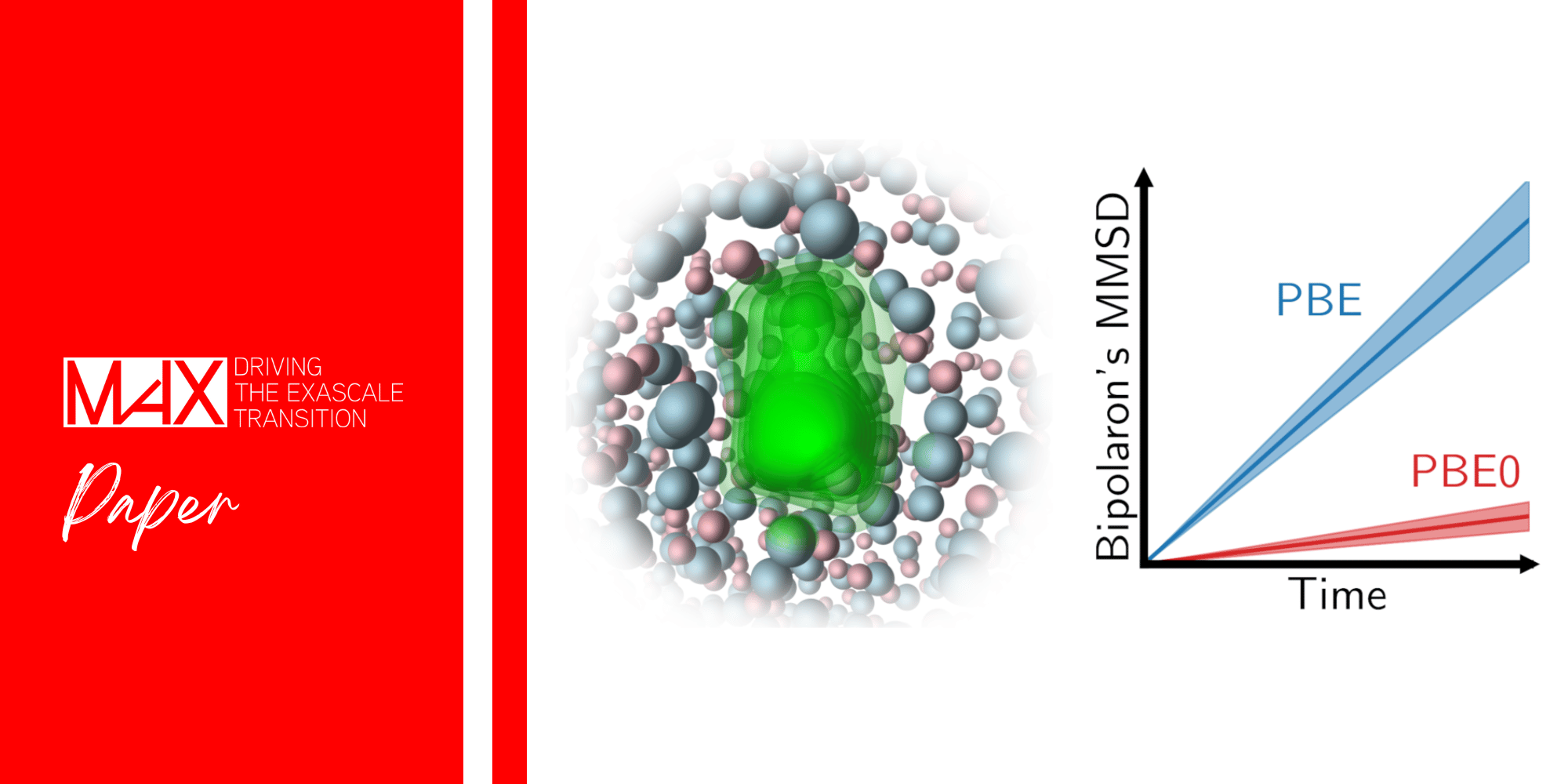
A team of researchers reveals self-interaction effects on dissolved electrons in molten salts, advancing understanding of electron dynamics in complex salt solutions. When a small
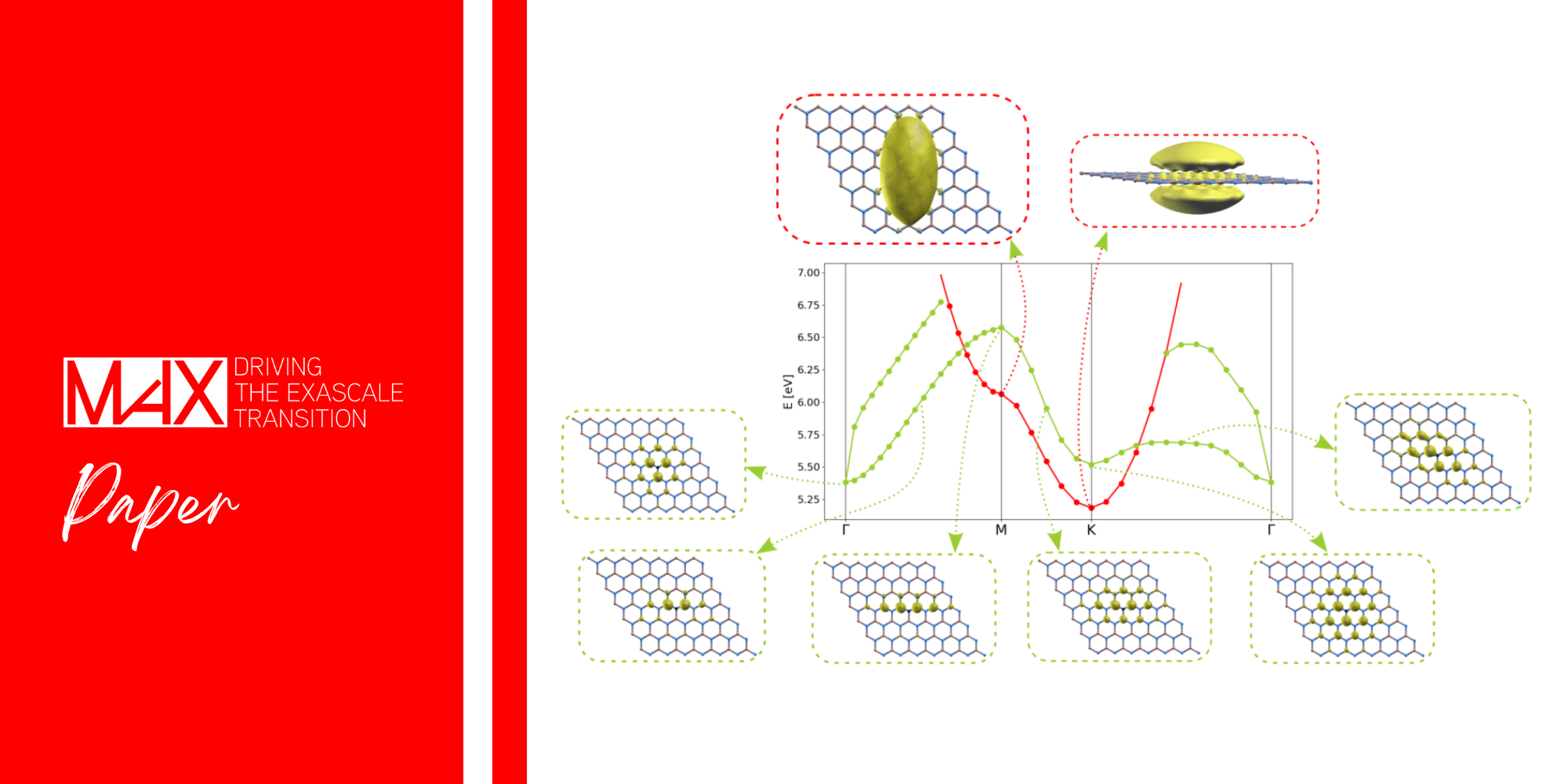
A team of researchers investigated the optical response of monolayer hexagonal boron nitride (m-hBN) using a novel approach that considers the influence of atomic vibrations
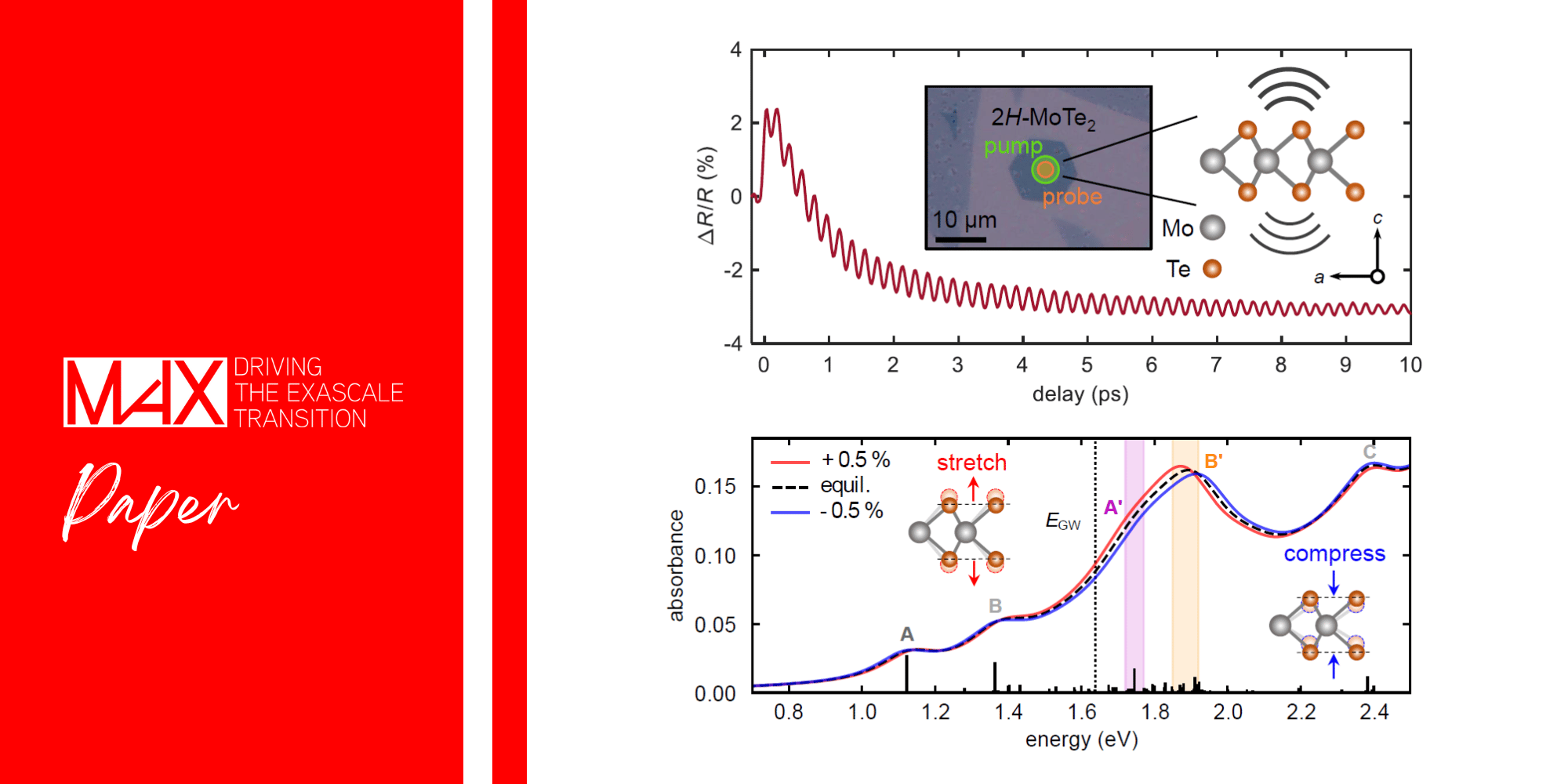
A team of researchers used broadband optical pump–probe microscopy to explore the ultrafast transient response of semiconducting monolayer 2H-MoTe2 encapsulated with hBN. Their findings underscore
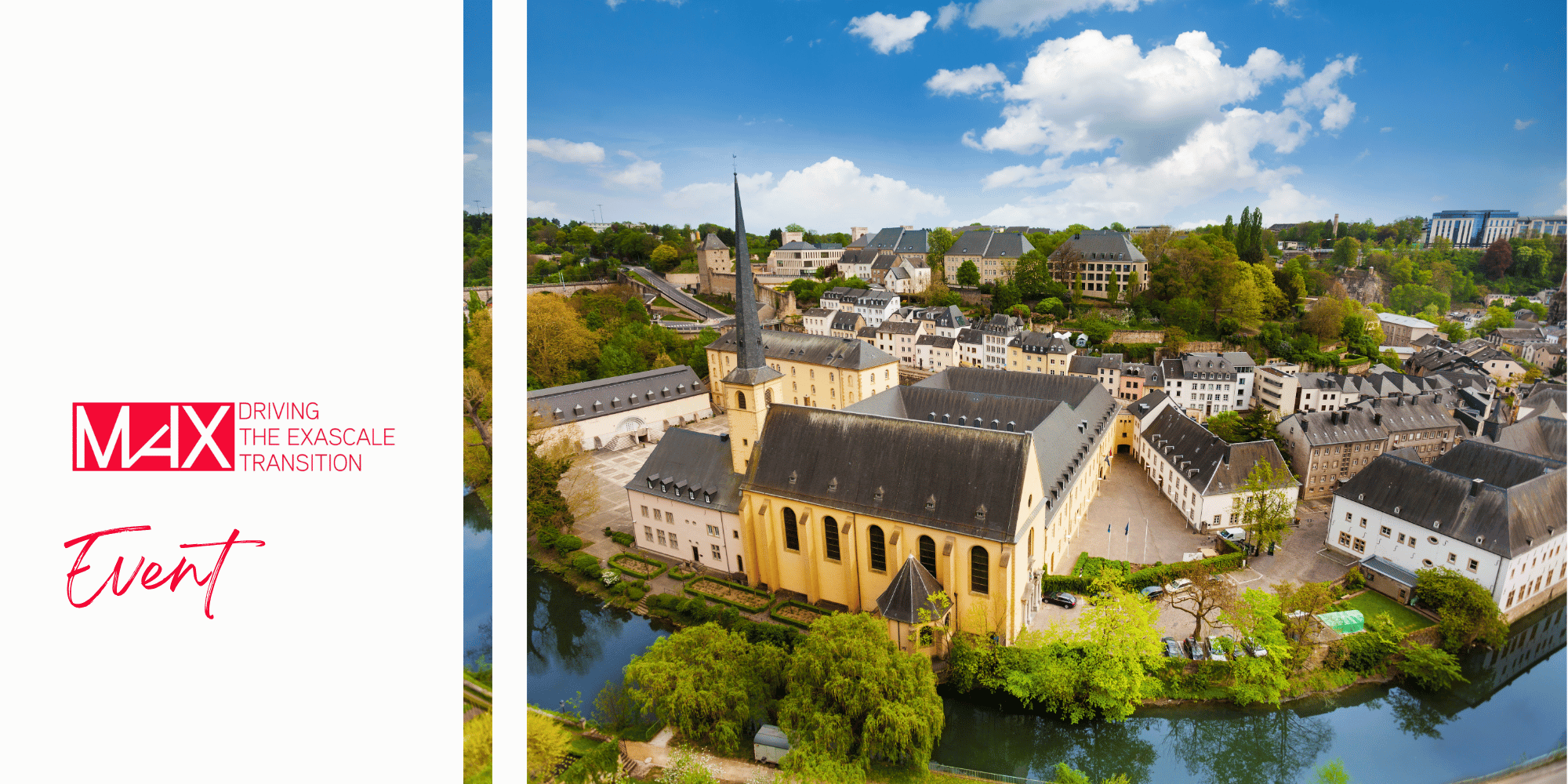
The first-year review of MaX took place at the European Commission in Luxembourg. The project review ran smoothly and highlighted the progress and success achieved
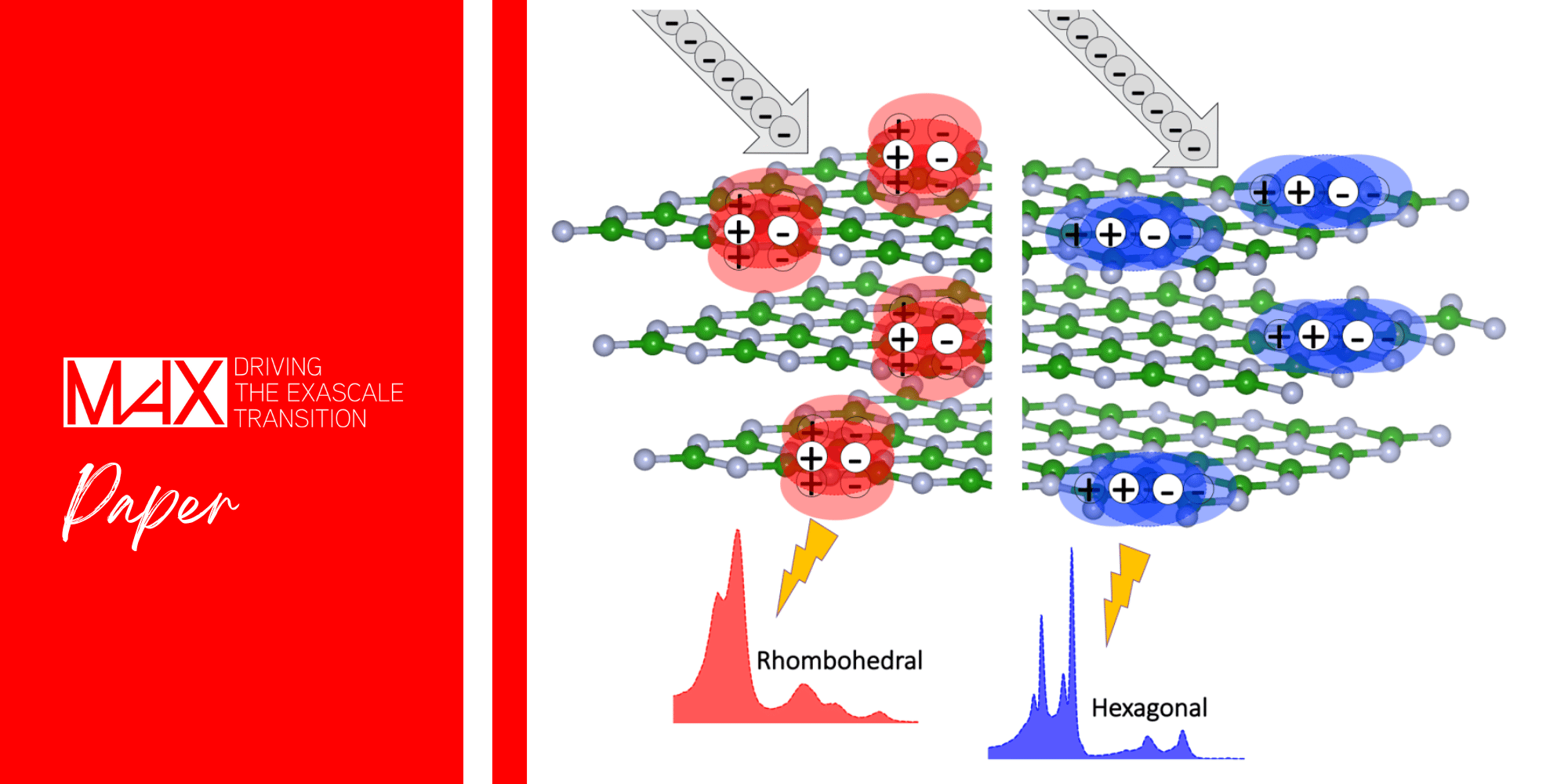
A team of researchers present an experimental probe to discriminate between rBN and hBN crystals via Cathodoluminescence spectroscopy. Boron Nitride (BN) is generally identified as a
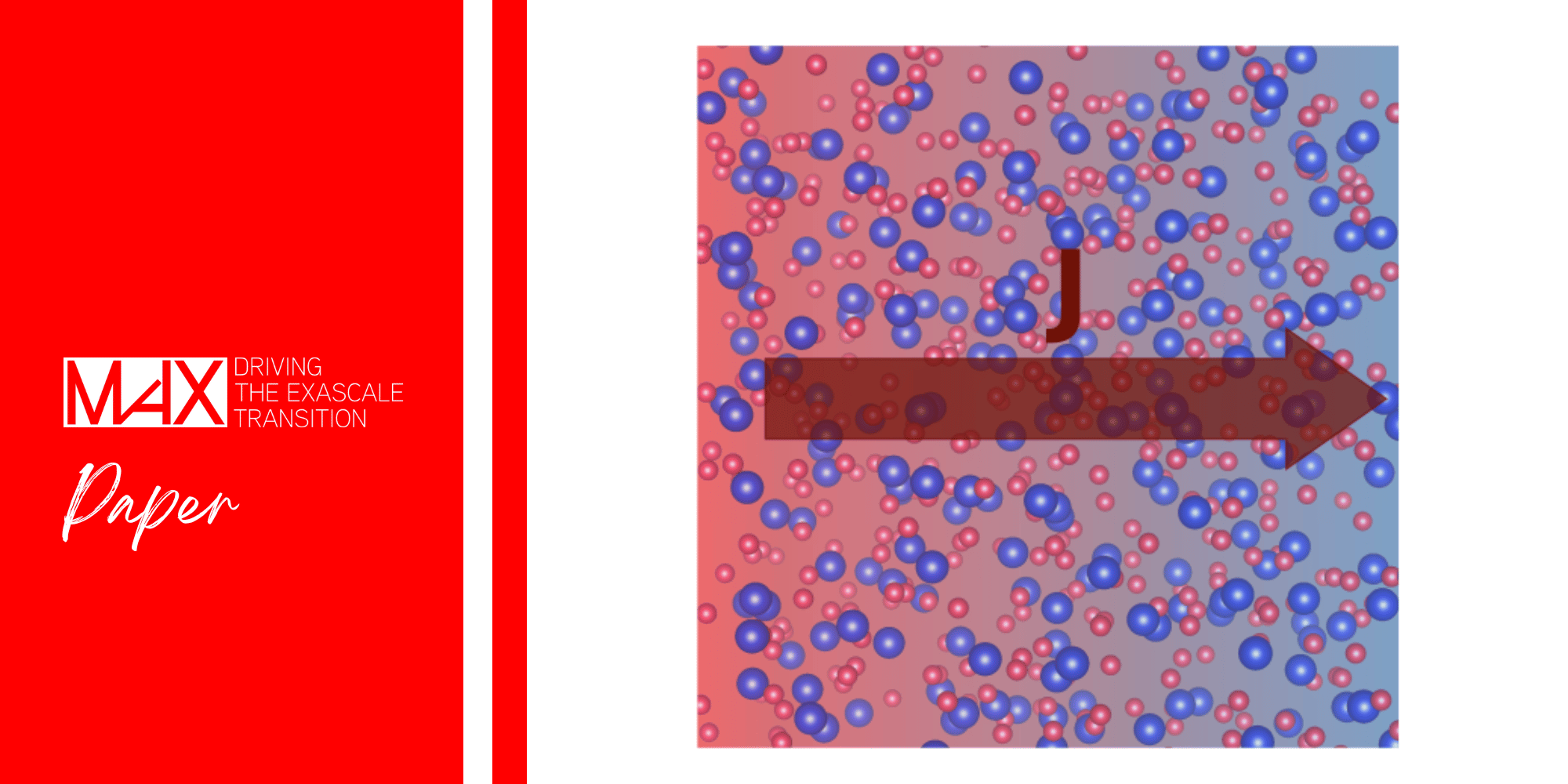
By using a combination of cepstral-analysis and Bayesian extrapolation techniques, a team of researchers from SISSA and CNR-IOM DEMOCRITOS compute the heat conductivity of extended
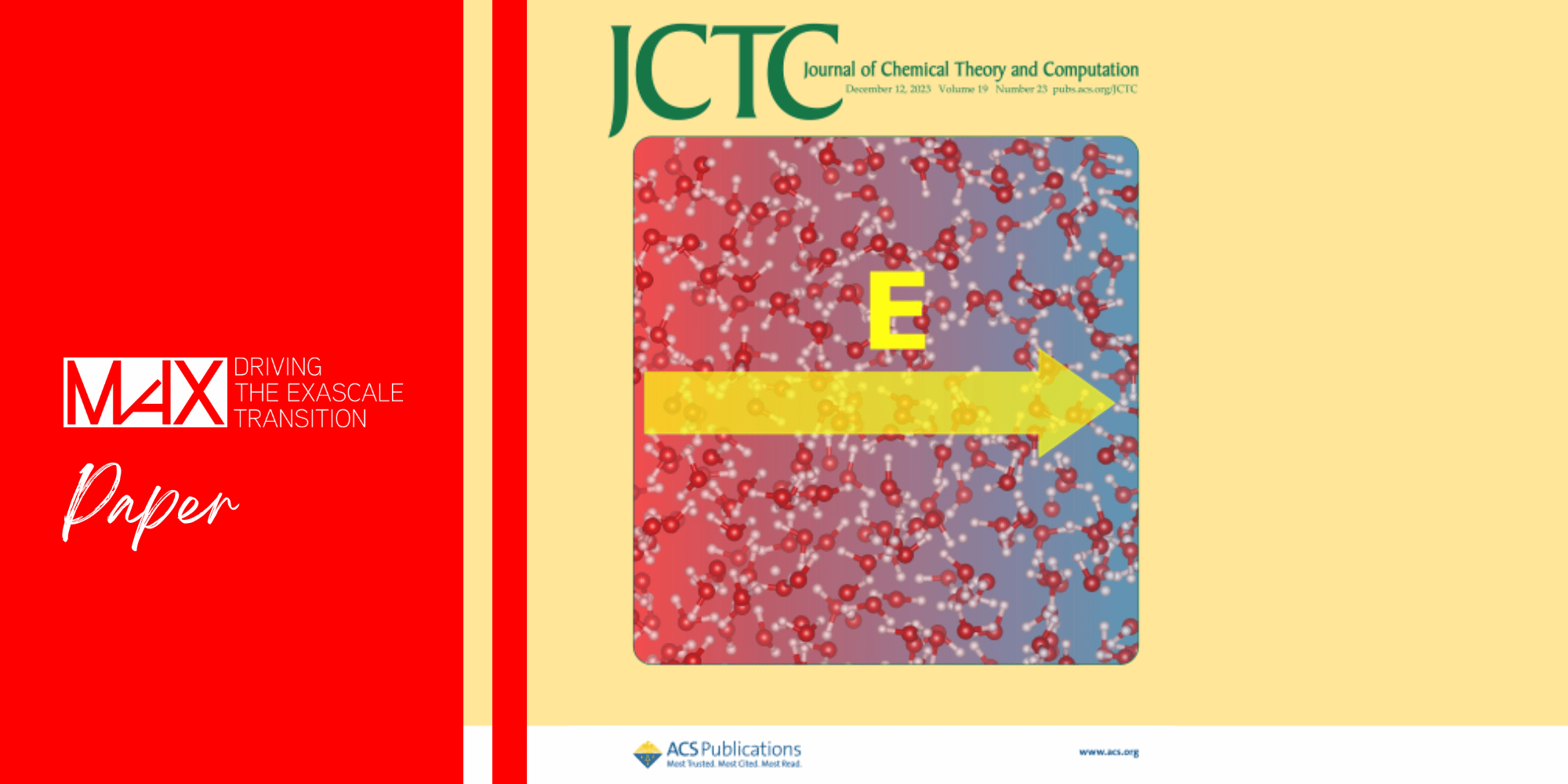
A team of researchers treat thermo-polarization effects in insulating fluids with standard equilibrium thermodynamics and propose a protocol to compute the Seebeck coefficient and estimate

The EuroHPC JU supercomputer has been unveiled at the Barcelona Supercomputing Centre, opening the door to a new era of scientific breakthroughs. Installed at the Barcelona
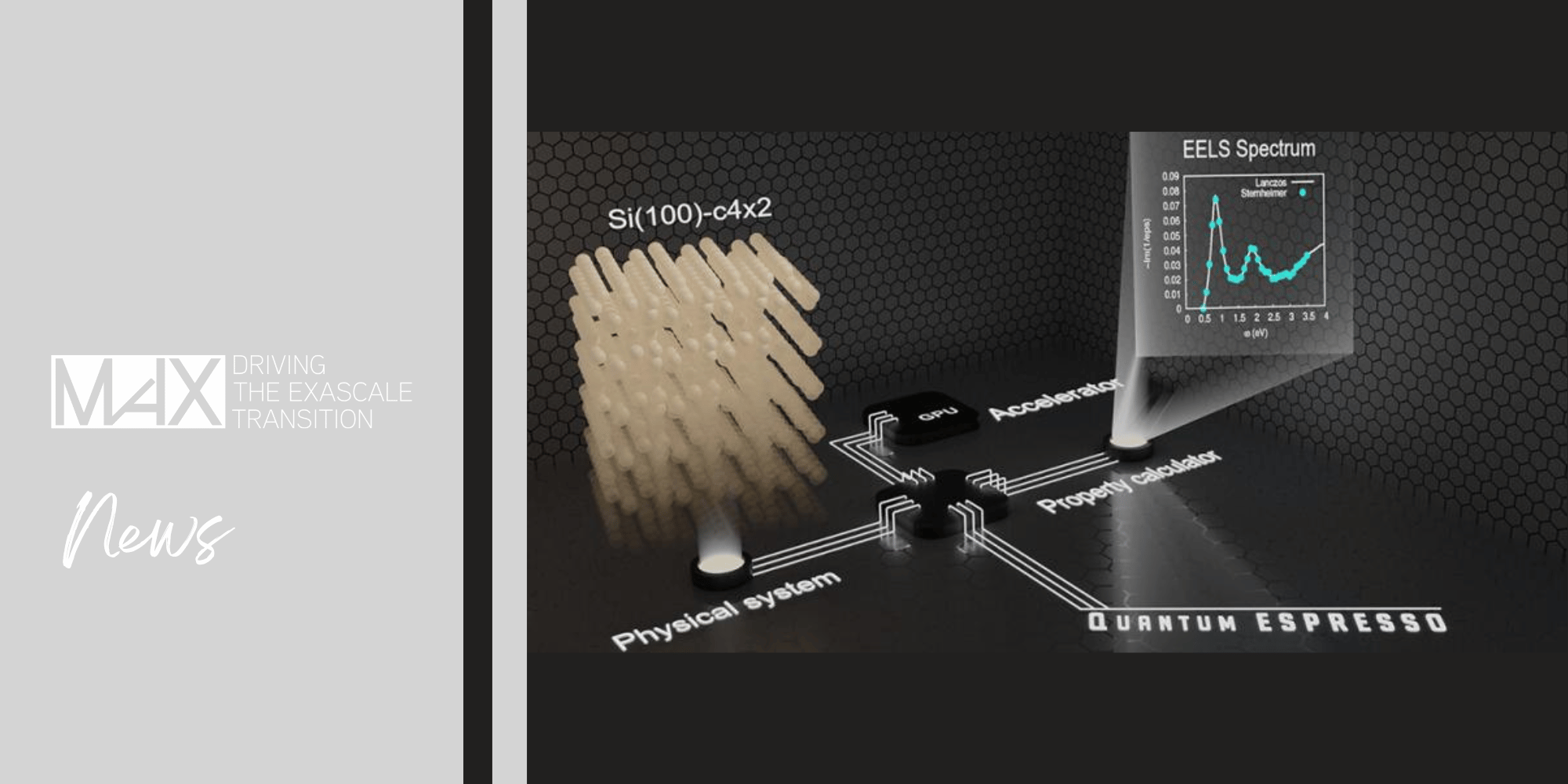
The Quantum ESPRESSO suite has been optimized to fully exploit the newly available computational architectures, paving the route for further breakthroughs in molecular and material